Security professionals tasked with surveillance system selection must evaluate numerous variables influencing equipment effectiveness. Beyond technological capabilities, physical camera design significantly impacts both installation success and long-term operational performance. Dahua manufactures both dome and bullet-style cameras, each offering distinct advantages suited to particular applications. Personet Shop’s expertise in these product categories assists customers in evaluating trade-offs and selecting configurations optimizing facility security outcomes – อ่านเพิ่มเติม from their website.
Dome Camera Characteristics and Advantages
Dome cameras feature spherical or hemispherical enclosures housing lens and sensor components. This distinctive form factor offers multiple practical advantages explaining widespread adoption in commercial and residential applications. The enclosed design prevents casual observers from determining monitoring direction, creating psychological security benefits that enhance deterrence value. Building occupants cannot identify which areas receive surveillance attention, contributing to comprehensive coverage perception.
The compact design of dome cameras facilitates integration into architectural environments. Rather than creating obtrusive protrusions, dome cameras mount flush against ceilings and walls, maintaining aesthetic continuity. Interior designers appreciate dome cameras’ minimal visual impact, as they complement rather than detract from carefully planned décor. This integration capability proves particularly valuable in retail, hospitality, and office environments where visual presentation influences customer and employee perceptions.
Dahua dome cameras manufactured for interior applications typically include whisper-quiet mechanisms and operating characteristics generating minimal noise. Organizations can deploy surveillance in areas where operational noise might otherwise prove problematic, such as conference rooms, recording studios, or patient care facilities. The unobtrusive nature of dome cameras complements their noise-minimizing characteristics, creating genuinely invisible surveillance capabilities.
The protective nature of dome enclosures shields cameras from environmental challenges. Dust, debris, and accidental impact threats receive significantly reduced exposure compared to exposed camera designs. This protection proves particularly valuable in industrial environments with atmospheric contamination or facilities where airborne dust presents ongoing challenges. The enclosed design naturally minimizes maintenance requirements compared to constantly exposed optics requiring regular cleaning.
Bullet Camera Advantages and Applications
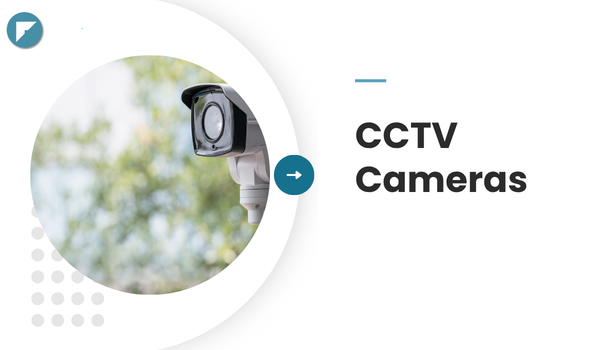
Bullet cameras feature cylindrical designs emphasizing distinct visible appearance and directional mounting capabilities. The pronounced form factor serves practical functions beyond aesthetic considerations. The extended lens mounting enables precise directional control, allowing installers to achieve specific field-of-view angles without mechanical adjustments. This directionality proves valuable in applications requiring focus on particular regions rather than broad area coverage.
The conspicuous nature of bullet cameras serves intentional purposes in security applications. The visible presence of bullet cameras communicates surveillance capability, creating deterrent effects particularly valuable in parking areas, perimeter defense, and facility entries. Potential intruders encountering obvious security measures frequently reconsider trespassing, redirecting attention toward less-protected targets. This visible deterrent effect contributes meaningfully to overall security effectiveness.
Dahua bullet cameras designed for outdoor applications incorporate weatherproof characteristics essential for exposed installations. Sealed housings, corrosion-resistant materials, and specialized optical coatings enable reliable operation across diverse climatic conditions. The cylinder form factor facilitates natural water drainage, preventing moisture accumulation that compromises equipment function. Organizations can confidently deploy bullet cameras in challenging environmental conditions without concern regarding premature failure or performance degradation.
The extended focal length capabilities of many bullet cameras enable effective surveillance across substantial distances. Parking lot monitoring, perimeter protection, and traffic surveillance applications benefit from bullet cameras’ ability to capture detail across extensive ranges. The combination of extended mounting and optical characteristics creates solutions inappropriate for dome camera implementations.
Installation Considerations and Professional Assessment
Dome camera installation typically proceeds more rapidly than bullet alternatives, as the mounting requirements prove comparatively straightforward. Ceiling or wall mounting follows intuitive procedures requiring minimal architectural modification. Organizations can deploy dome systems with minimal disruption to facility operations and occupant activities. The simplicity of dome installation reduces labor costs and enables deployment within compressed timelines.
Bullet camera installation demands greater care regarding mounting angle and direction establishment. Improper orientation results in misdirected surveillance, necessitating remounting and adjustment. Professional technicians account for these considerations during initial planning, evaluating architectural features and surveying optimal camera positions. Personet Shop’s installation services incorporate this careful planning, ensuring bullet cameras achieve intended surveillance objectives.
Environmental factors significantly influence camera type selection. Interior facilities with controlled environments and protection from weather typically favor dome cameras. Exterior installations exposed to precipitation, temperature extremes, and solar radiation demand bullet cameras’ superior environmental hardiness. Some facilities benefit from hybrid approaches combining dome cameras for interior applications with bullet cameras protecting exterior areas.
Integration with Facility Aesthetics
Many facilities balance security imperatives against presentation considerations. Dome cameras’ integration into architectural environments addresses these competing requirements more effectively than bullet alternatives. The low-profile design enables surveillance deployment without creating institutional appearance that might discourage customer patronage or compromise facility appeal.
Bullet cameras’ visible presence can undermine carefully cultivated atmospheric qualities. Hospitality venues, luxury retail environments, and upscale office settings often prefer dome cameras enabling security without obvious surveillance apparatus. The psychological comfort of guests and occupants influences business success; camera design choices reflecting aesthetic sensitivity deliver competitive advantages.
Conversely, some applications intentionally emphasize security infrastructure. Parking garages, industrial facilities, and high-security areas benefit from bullet cameras’ visible deterrent effects. The obvious surveillance capability communicates seriousness regarding security matters, influencing behavior among both employees and external parties.
Maintenance and Long-Term Operational Considerations
Dome cameras’ enclosed design substantially reduces maintenance requirements. Optical surfaces remain protected from dust and environmental contamination, maintaining image quality across extended periods without intervention. The protective characteristics prove particularly valuable in dusty or contaminated environments where regular cleaning would otherwise prove necessary.
Bullet cameras exposed to environmental elements accumulate dust and debris on optical surfaces more readily. Regular maintenance including lens cleaning and protective coating inspection extends equipment lifespan and maintains image quality. While additional maintenance demands can seem disadvantageous, many facilities find the trade-off acceptable in exchange for bullet cameras’ other benefits.
Cost Comparisons and Value Considerations
Dahua dome and bullet cameras generally offer comparable pricing within specific resolution categories. The cost difference between form factors typically proves minimal, enabling camera selection driven primarily by application requirements rather than budgetary limitations. This pricing equivalence removes economic constraints from technology selection decisions.
Total cost of ownership analysis incorporates installation labor differences. Dome camera installations typically complete more rapidly, reducing labor expenses. Bullet camera precise positioning requirements may extend installation duration, increasing labor costs. Organizations planning large-scale deployments should consider these labor implications during budget preparation.
Guidance from Personet Shop Specialists
Personet Shop’s extensive experience with diverse Dahua installations enables customized recommendations reflecting specific facility characteristics. The company’s technical team evaluates application requirements, environmental conditions, aesthetic considerations, and operational preferences, developing installation strategies optimizing outcomes.
Customers benefit from professional guidance navigating installation trade-offs. Rather than prescribing standardized solutions, Personet Shop professionals discuss alternatives, ensuring customers understand implications of technology selections. This consultative approach builds confidence in procurement decisions and establishes foundation for successful implementations.
Conclusion
Dahua dome and bullet cameras each offer distinct advantages suited to particular applications and facility characteristics. Dome cameras excel in interior applications where aesthetics matter and controlled environments enable reliable operation. Bullet cameras address exterior surveillance needs and applications where visible deterrent effects prove valuable. Through careful evaluation of requirements and consultation with Personet Shop specialists, facility managers can select camera configurations optimizing security effectiveness while accommodating operational and aesthetic priorities.