Showing 3 Result(s)
Finance Real Estate

What Is Income From Rental Property Tax?

When you rent out a property, the money you receive from tenants isn’t just extra pocket change—it’s considered income. And like most types of income, it comes with tax obligations. Rental property tax is simply the tax you pay on the earnings from renting out real estate.

The Basics of Rental Income

Rental income is the amount you collect from tenants for using your property. Whether it’s a long-term lease or a short-term stay, that money counts as taxable income. Governments treat it just like wages or business profits: if you earn it, you need to report it.

The important thing to remember is that you’re not taxed on the full amount you collect. Instead, you can usually subtract certain costs before calculating the taxable portion. This makes the system fairer, since maintaining a property often requires ongoing expenses.

Deductible Expenses

Think of your rental property like a small business. Just as a shop owner can deduct the cost of supplies, you can deduct the costs of keeping your property in good condition. Repairs, maintenance, insurance, property management fees, and even mortgage interest often reduce the taxable portion of your rental income.

For example, if you replace a broken appliance or repaint the walls, those costs can be deducted. The idea is that you’re not penalized for spending money to keep your property livable and appealing.

Depreciation Benefits

One unique aspect of rental property taxation is depreciation. Even if your property looks brand new, the tax system assumes it loses value over time. You’re allowed to deduct a portion of that “wear and tear” each year, even if you didn’t actually spend money on repairs.

Depreciation is powerful because it reduces your taxable income without requiring you to spend cash. It’s one of the reasons rental property can be such an attractive investment. This is often where people first encounter the phrase income from rental property tax, since depreciation plays a big role in shaping how much of that income is actually taxed.

Reporting Rental Income

When tax season arrives, rental income is reported on specific forms designed for property owners. These forms let you list your income, expenses, and depreciation. The end result is your net rental income—the amount that’s actually taxable after everything has been accounted for.

Good record-keeping makes this process much easier. Save receipts for repairs, track insurance payments, and document any other costs related to your property. Organized records help you file correctly and avoid paying more tax than necessary.

Short-Term vs. Long-Term Rentals

Not all rental situations are the same. Renting out a property for a year-long lease is straightforward, but short-term rentals—like vacation stays—can sometimes be treated differently. Depending on how often you rent out the property and whether you use it yourself, the tax rules can shift.

For instance, if you only rent out your home occasionally, the income may not need to be reported. But once renting becomes a regular source of earnings, it’s considered taxable.

Why It Matters

Understanding rental property tax isn’t just about following the rules—it’s about making smart financial decisions. If you know how your rental income will be taxed, you can plan ahead. Maybe you set aside a portion of each month’s rent to cover the tax bill. Maybe you invest in improvements that not only make your property more appealing but also give you deductions.

Taxes are part of the equation, and ignoring them can lead to unpleasant surprises. By factoring them in from the start, you can make renting out property a reliable and profitable venture.

In Conclusion

Income from rental property tax is simply the government’s way of taxing the money you earn from tenants. While it might sound intimidating, the system is designed to be fair: you report what you earn, subtract what you spend, and pay tax on the rest. With good record-keeping and an understanding of deductions like depreciation, you can manage your rental property in a way that keeps both your tenants and your finances in good shape.

Renting out property can be a rewarding experience, both financially and personally. Just remember that taxes are part of the journey—and with a little planning, they don’t have to be a burden.

Real Estate

How Rent-to-Own Homes Differ in Coastal vs. Mountain Regions of North Carolina

North Carolina’s geography is as diverse as its housing market. From the sandy shores of the Atlantic coast to the rolling peaks of the Appalachian Mountains, the state offers distinct lifestyles and real estate opportunities. Rent to own homes in NC, which allow tenants to live in a property while working toward eventual ownership, are available across both regions. Yet the experience of pursuing rent-to-own in coastal communities differs significantly from doing so in mountain towns. Understanding these differences helps buyers choose the path that best aligns with their financial goals and lifestyle preferences.

Coastal Rent-to-Own Homes: Lifestyle and Demand

Coastal North Carolina, with cities like Wilmington and towns along the Outer Banks, attracts buyers seeking ocean views, beach access, and a relaxed lifestyle. Rent-to-own homes in these areas often come with higher demand, driven by retirees, vacationers, and families who want proximity to the water. The appeal of coastal living creates competitive markets, where locking in a purchase price through rent-to-own can be advantageous. Buyers benefit from the ability to secure property in desirable locations without the immediate burden of a mortgage, while sellers gain steady rental income in markets where demand rarely wanes.


Financial Considerations in Coastal Areas

The financial dynamics of coastal rent-to-own homes often reflect the risks of living near the ocean. Insurance premiums are higher due to hurricane and flood risks, and tenants may be responsible for these costs under rent-to-own agreements. Property taxes can also be elevated in popular coastal counties. Buyers should carefully review contracts to understand whether these expenses fall on them during the lease period. While the potential for property appreciation is strong in coastal markets, the hidden costs of insurance and maintenance can erode affordability if not properly planned for.

Mountain Rent-to-Own Homes: Lifestyle and Demand

In contrast, mountain regions such as Asheville, Boone, and smaller Appalachian towns offer a different appeal. Buyers are drawn to scenic views, outdoor recreation, and a slower pace of life. Rent-to-own homes in these areas often attract families seeking affordability and space, as well as retirees looking for tranquility. Demand is steady but less competitive than in coastal markets, which can make rent-to-own agreements more accessible. Sellers in mountain towns often use rent-to-own arrangements to attract buyers in markets where homes may take longer to sell, creating opportunities for tenants to secure property at reasonable prices.

Financial Considerations in Mountain Areas

Mountain rent-to-own homes typically come with lower insurance premiums compared to coastal properties, since risks of hurricanes and flooding are minimal. However, maintenance costs can be higher due to older housing stock and the challenges of mountain terrain. Heating systems, septic tanks, and road access may require more attention, and tenants in rent-to-own agreements are often responsible for these expenses. Property values in mountain regions can fluctuate based on tourism and local economic conditions, so buyers should weigh the stability of the market before committing to a purchase price.

Cultural and Community Differences

Beyond financial considerations, the cultural differences between coastal and mountain regions shape the rent-to-own experience. Coastal communities often have transient populations, with seasonal residents and vacation rentals influencing housing demand. Rent-to-own tenants may find themselves in neighborhoods with shifting demographics, which can affect long-term community ties. Mountain towns, by contrast, tend to foster close-knit communities where neighbors know one another and traditions run deep. Buyers who choose rent-to-own in these areas are investing not only in property but also in a lifestyle rooted in community and natural surroundings.

Risks and Opportunities

Both coastal and mountain rent-to-own homes carry risks. Coastal buyers face the challenge of higher insurance costs and potential storm damage, while mountain buyers must contend with maintenance issues and market fluctuations. Yet both regions also offer opportunities. Coastal rent-to-own agreements allow buyers to secure property in high-demand areas before prices climb further. Mountain rent-to-own homes provide affordability and space, making them attractive for families and retirees. The key is for buyers to align their choice with their financial readiness and lifestyle goals.

Conclusion

Rent-to-own homes in North Carolina vary dramatically between coastal and mountain regions. Coastal properties offer access to beaches and rising values but come with higher insurance and tax costs. Mountain homes provide affordability and community but may require greater investment in maintenance. For buyers, the decision is not just about finances—it is about lifestyle. By understanding the differences between coastal and mountain rent-to-own opportunities, families and individuals can choose the path that best supports their dream of homeownership in the Tar Heel State.

Technology

The Importance of Choosing the Right Vendor for LAN Cables

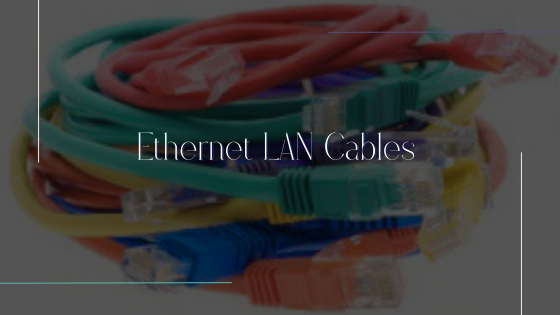
In the world of networking, performance is only as strong as its weakest link—and that link is often the cable. While routers, switches, and modems get most of the attention, the LAN cable quietly carries the burden of speed, stability, and signal integrity. Choosing the right cable is critical, but choosing the right vendor is just as important. A high-spec cable from a questionable source can lead to degraded performance, failed compliance, and costly replacements.

Why Vendor Selection Matters

LAN cables may look similar on the surface, but their internal construction, shielding quality, and copper purity vary wildly between manufacturers. That’s where vendor credibility comes into play. A trusted supplier, such as Personethshop, doesn’t just sell cables—they guarantee performance, provide transparent specs, and ensure compliance with industry standards. When browsing options at personetshop.com, for example, you’ll notice detailed breakdowns of bandwidth ratings, shielding types, and compatibility notes. That level of clarity is a hallmark of a vendor that understands both the technical and practical demands of modern networking.

Beyond specs, a reliable vendor offers consistency. Whether you’re ordering one patch cable or outfitting an entire office, you need assurance that every unit meets the same quality threshold. Inconsistent shielding, mislabeled categories, or substandard copper can wreak havoc on signal integrity—especially in environments with high electromagnetic interference. That’s why professionals and IT teams often stick to vendors with proven track records and verified sourcing.

The Hidden Costs of Cheap Cables

It’s tempting to chase low prices, especially when bulk orders are involved. But the cost of a bad cable goes far beyond the invoice. Poorly manufactured LAN cables can introduce latency, packet loss, and intermittent connectivity—issues that are notoriously hard to diagnose. In commercial settings, this can lead to downtime, frustrated clients, and expensive troubleshooting. Even in residential setups, a cheap cable can bottleneck your gigabit connection, turning high-speed internet into a sluggish experience.

Moreover, low-grade cables often fail to meet fire safety standards or environmental compliance regulations. For installations in walls, ceilings, or public buildings, using non-compliant cables can result in failed inspections or legal liabilities. A reputable vendor ensures that their products meet ANSI/TIA and ISO/IEC standards, giving you peace of mind during installation and beyond.

What Sets Personethshop Apart

Personethshop has built its reputation by focusing on quality, transparency, and customer education. Their catalog isn’t just a list of products—it’s a curated selection designed to help users make informed decisions. Whether you’re comparing CAT6a to CAT8, evaluating shielding options, or selecting conductor types, Personethshop provides the technical context needed to choose confidently.

They also understand that not every buyer is a network engineer. That’s why their product pages are written in clear, accessible language, with visuals and specs that demystify the jargon. From home users upgrading their gaming setup to IT teams designing enterprise networks, Personethshop bridges the gap between technical precision and user-friendly guidance.

Conclusion

In networking, reliability isn’t optional—it’s foundational. And while cable specs matter, vendor integrity is what ensures those specs translate into real-world performance. Choosing the right vendor means fewer headaches, better uptime, and long-term scalability. Whether you’re wiring a single room or an entire facility, the vendor you trust becomes part of your infrastructure.

So before you click “buy,” ask yourself: does this vendor stand behind their cables? Do they offer clarity, consistency, and compliance? If the answer is yes, you’re not just buying a product—you’re investing in performance. And if you’re looking for a place to start, personetshop.com is one vendor that checks all the boxes.